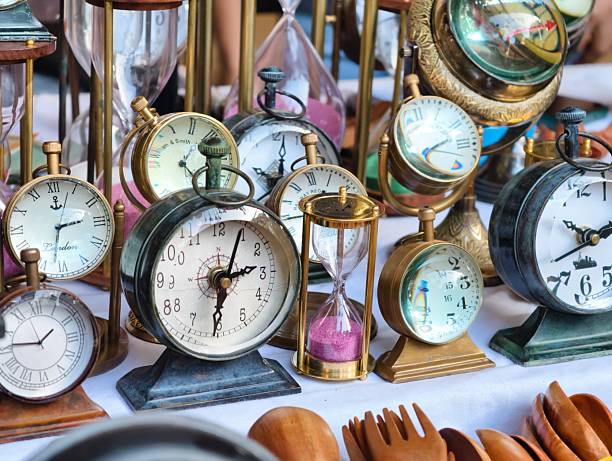
Timeless Charm on Display: A Guide to Vintage Table Clocks
Time does more than move forward. It leaves behind design, craft, and meaning. Few objects show this better than vintage clocks used as table clocks. These pieces bring quiet strength into a space. They sit without demand, yet they shape the room. In homes filled with screens and fast alerts, a vintage clock restores balance.
When Time Becomes Part of the Room
A table clock does not only tell time. It sets a tone. Vintage designs reflect an era when objects had weight and purpose. The soft tick creates rhythm. The aged case adds warmth. Together, they turn timekeeping into a lived experience rather than a quick glance.
Highlighted Insight: A vintage clock does not chase attention. It earns it.
The Enduring Value of Vintage Clocks in Everyday Spaces
Vintage clocks blend well with modern living because they create contrast. Clean furniture and neutral walls gain depth when paired with wood, brass, or steel from another time. These clocks bring history without feeling heavy.
Most vintage clocks share key features:
- Strong materials built for long use
They were designed to be repaired, not replaced. This approach gives them lasting worth. A single table clock placed on a shelf or desk can ground the entire space.
A Simple Example from Real Life
Picture a modern home office with clean lines and soft light. A small wooden clock from the mid-1900s adds warmth and focus. It does not distract. It completes the room.
Why Table Clocks Still Matter in Daily Life?
Table clocks remain relevant because they fit naturally into our routines. They are personal in size and easy to place. Unlike wall clocks, they stay close. Unlike phones, they do not pull attention away.
Their strengths are clear:
- They offer function without noise
A table clock invites you to notice time, not chase it. That pause can change how a day feels.
Pro Tip: Place your table clock where you often stop, such as near a chair or workspace. You will stay aware of time without stress.
Craft, Detail, and the Human Touch
Vintage clocks reflect the hands that built them. You can see it in the grain of the wood and the shape of the metal. The ticking sound reminds you that real parts are moving together.
Older clocks focus on presence rather than speed. When they stop, they can often be fixed with care. This creates a bond between owner and object.
For example, a spring-driven table clock may need winding once a week. That simple action builds respect for time and for the object itself.
Highlighted Line: Winding a clock is not a chore. It is a quiet ritual.
Choosing the Right Vintage Clock for Your Space
Not every clock fits every room. Size, sound, and style matter more than age alone.
Think about these points:
- Scale should match the surface it rests on
A good clock feels right before it looks right. Trust that instinct.
Simple Care That Preserves Time
Caring for vintage clocks is straightforward. Keep them away from heat and moisture. Clean the case gently. Service the movement when needed.
One habit matters most:
- Wind the clock at the same time each week
This routine protects the mechanism and builds reliability.
Conclusion: A Quiet Presence That Endures
Vintage table clocks remind us that time does not need to feel rushed. They bring patience, craft, and calm into daily life. In a fast world, they offer steady rhythm and visual comfort.
Choosing a vintage clock is not about the past. It is about intention. It reflects respect for objects made with care and meant to last.
