Transform Your Culinary Space: Choosing the Right Flooring for Commercial Kitchens
When it comes to running a successful restaurant or food service operation, every detail matters. From high-quality ingredients to exceptional customer service, the environment plays a significant role in efficiency and safety. One often overlooked aspect is the flooring. Selecting the right commercial kitchen flooring north Jersey is crucial for both functionality and aesthetics. In this blog, we’ll explore why proper flooring matters, the types available, and how to make the best choice for your kitchen.
Why Commercial Kitchen Flooring Matters
Commercial kitchens endure constant foot traffic, heavy equipment, and frequent spills. Ordinary flooring simply cannot withstand these demands. Proper flooring provides:
- Durability: Flooring in high-traffic areas must resist wear and tear.
- Safety: Slip-resistant surfaces prevent accidents, protecting staff and reducing liability.
- Hygiene: Floors that are easy to clean help maintain sanitary conditions.
Choosing the right material ensures your kitchen remains operational, safe, and compliant with health regulations. In North Jersey, where commercial kitchens vary from trendy urban eateries to bustling catering facilities, selecting durable flooring is a top priority.
Types of Flooring for Commercial Kitchens
When exploring commercial kitchen flooring north Jersey, several options come to mind. Each type has distinct advantages and drawbacks depending on your kitchen’s needs.
- Epoxy Flooring
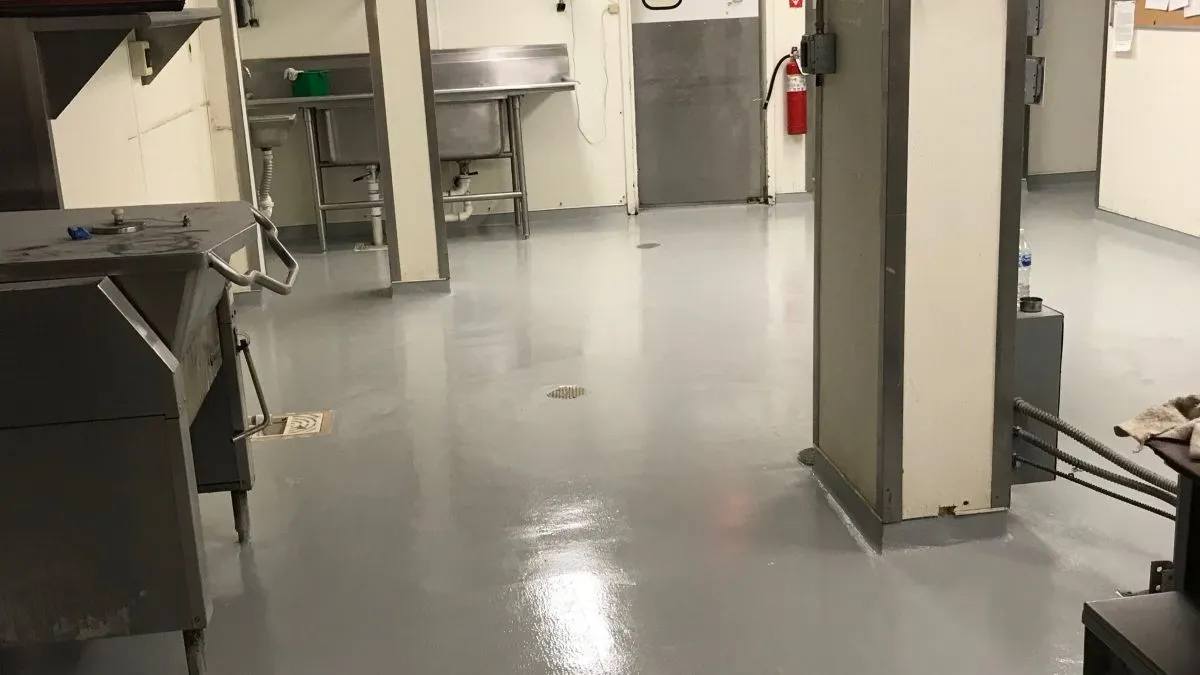
Epoxy coatings create a seamless, highly durable surface that is resistant to stains and moisture. This flooring is particularly popular in restaurants that handle large volumes of food.
- Pro Tip: Choose a textured epoxy to prevent slips in wet areas.
- Vinyl Flooring
Vinyl is an affordable, flexible option that comes in various colors and patterns. It’s relatively easy to install and maintain, making it suitable for smaller kitchens or food prep areas.
- Pro Tip: Look for commercial-grade vinyl with reinforced backing for longevity.
- Quarry Tile
Quarry tiles are traditional and known for their robustness. They are perfect for high-traffic kitchens and can handle extreme temperatures.
- Pro Tip: Ensure proper grout sealing to prevent bacteria buildup in joints.
How to Choose the Best Flooring
Selecting the right flooring isn’t just about style—it’s about performance and long-term value. Consider these factors:
- Foot Traffic: Kitchens with constant movement require extra durability.
- Cleaning Needs: Opt for materials that withstand frequent scrubbing and chemical cleaners.
- Budget: Invest in flooring that balances upfront costs with long-term maintenance.
- Aesthetics: Your flooring should complement the kitchen’s design and brand image.
For businesses in North Jersey, local climate and regulations also play a role in determining the most suitable materials. Consulting with experienced flooring contractors can ensure you get a solution tailored to your unique environment.
Benefits of Professional Installation for Commercial Kitchen Flooring North Jersey
Professional installation is a game-changer. Properly installed floors reduce the risk of accidents, enhance longevity, and maintain compliance with health codes. Even if you select top-of-the-line materials, poor installation can lead to cracks, water damage, and costly repairs.
- Pro Tip: Hire certified flooring experts who understand local codes and commercial kitchen requirements.
Conclusion
Investing in the right commercial kitchen flooring north Jersey is more than just an aesthetic choice—it’s a strategic decision that affects safety, hygiene, and operational efficiency. From epoxy to quarry tiles, selecting materials designed for heavy use ensures your kitchen can handle daily challenges while looking professional.
